URGENT NEWS | For IQD Investors: The Iraq Shares Why Integration with the West is Difficult


What Is Mudharabah?

- Mu (like "moo")
- da (like "dah")
- ra (like "rah," stressed syllable)
- bah (like "bah")



Mudharabah is a profit-sharing partnership between two parties:
Rab-ul-Mal – the investor (provides the money)
Mudarib – the entrepreneur or manager (provides the work and expertise)
How it works
Profits are shared according to a pre-agreed ratio (for example, 60% investor / 40% manager).
Losses are borne by the investor only, unless the manager was negligent or dishonest.
The manager loses their time and effort, but not money.
The key idea: both parties share risk and reward.
This model is commonly used in Islamic banking, investment funds, and trade finance.
Why Do Some Muslims Disagree with Earning Interest?


Many Muslims object to earning interest because of a concept called riba.
What is Riba?
Riba refers to guaranteed interest on money, regardless of outcome.
In Islam:
Money itself should not create money without effort or risk.
Wealth should be generated through real economic activity (trade, services, investment).
Why interest is seen as problematic
From the Islamic perspective, interest:
Guarantees profit without risk
The lender earns money even if the borrower loses everything.Shifts all risk to the borrower
This is viewed as unfair and exploitative.Encourages debt-based systems
Which can trap individuals and nations in long-term financial hardship.
Mudharabah vs. Interest (Simple Comparison)
| Interest-Based Loan | Mudharabah Partnership |
|---|---|
| Fixed, guaranteed return | Variable, shared profit |
| Lender takes no risk | Investor shares risk |
| Borrower bears losses | Loss shared (investor loses capital) |
| Money makes money | Money + effort create value |
Why Not All Muslims Agree Completely
There is debate within the Muslim world:
Some scholars say all interest is riba, no exceptions.
Others argue that modern banking interest is different from ancient exploitative lending.
Some Muslims allow interest in necessity situations, especially where Islamic alternatives don’t exist.
So, while Mudharabah is widely accepted, views on interest can vary by:
Scholar
Country
Financial system
Personal interpretation
In Plain English
Mudharabah = ethical investing based on shared risk and shared reward
Interest = money earning money with no risk, which many Muslims believe is unjust
The disagreement isn’t about wealth—it’s about how wealth is created
How Islamic Banks Work in Real Life

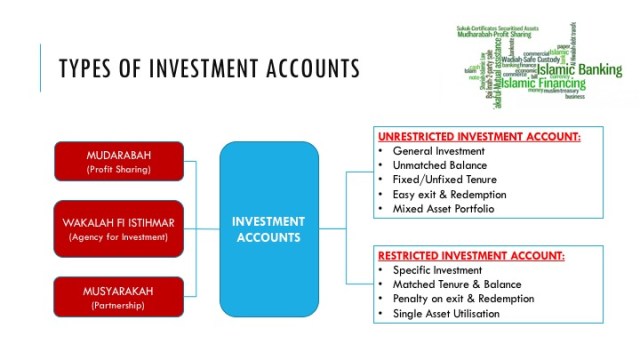
Islamic banks do not lend money for interest.
Instead, they participate in real economic activity.
Think of an Islamic bank as a business partner, not a traditional lender.
1. Savings Accounts (Mudharabah in Action)
When you deposit money in an Islamic bank:
You are the investor
The bank is the manager
Your money is invested in real businesses (trade, housing, infrastructure)
Profits are shared
Returns go up or down based on performance
No guaranteed interest rate
Some months you earn more, some less.
2. Home Financing (Murabaha – The Most Common)
Instead of lending you money to buy a house:
The bank buys the house
The bank sells it to you at a marked-up price
You pay in fixed monthly installments
Key difference:
That markup is not interest
It’s a sale price agreed in advance
You know the total cost from day one.
3. Business Financing (Mudharabah or Musharakah)
For entrepreneurs:
The bank invests in the business
Profits are shared
Losses are shared (bank loses money if the business fails)
The bank cares if the business succeeds—because it’s taking risk with you.
4. No Speculation, No Gambling
Islamic banks avoid:
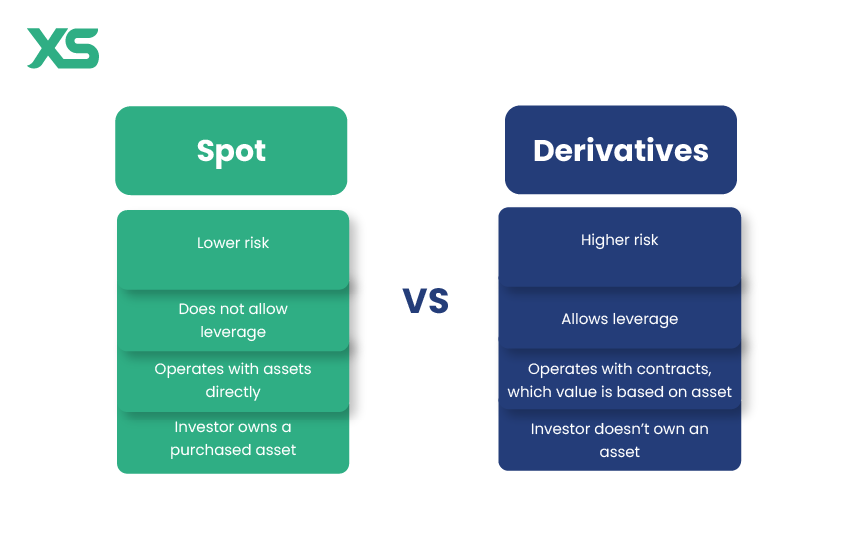
Derivatives
Excessive leverage
Gambling-like speculation
Investing in alcohol, weapons, or exploitative industries
Everything must be tied to real assets or services.
Now Compare This to Western Investing


Western finance is built around interest and debt.
How Western Banks Operate
You deposit money
The bank lends it out at interest
Borrowers must pay even if they fail
The bank gets paid first, no matter what
Profit is guaranteed for the lender; risk is mostly on the borrower.
Western Investing (Stocks, Bonds, Funds)
There is risk sharing in markets:
Stocks = shared risk and reward
Bonds = fixed interest, low risk
Derivatives = high risk, often speculative
Western systems mix risk-sharing and risk-shifting.
Side-by-Side: Easy Comparison
| Islamic Banking | Western Banking |
|---|---|
| Profit-sharing | Interest-based |
| Risk shared | Risk pushed to borrower |
| Asset-backed | Often debt-based |
| No guaranteed return | Guaranteed lender return |
| Long-term stability focus | Short-term profit focus |
Why This Matters in the Real World
Islamic finance aims to:
Reduce debt bubbles
Discourage reckless lending
Keep money tied to real economic value
Promote fairness between investor and borrower
Western finance aims to:
Maximize liquidity
Scale fast
Reward capital efficiency
Accept higher systemic risk
Neither system is “perfect”—they’re built on different values.
Simple Takeaway
Islamic banks invest with you
Western banks lend to you
One shares risk
The other sells risk
That’s the core difference.
.


